The same road can feel completely different
Somewhere on the climb towards Ma Pi Leng Pass, the same conversation appears in almost every group. One person looks at the road twisting along the mountainside and says, ‘I wish I were driving.’ Someone else looks down towards the canyon and replies, ‘I am very happy that I am not.’
Both reactions make sense. For some people, holding the wheel is the heart of a 4×4 journey. For others, the pleasure comes from watching the landscape, talking with the guide and stepping out of the vehicle feeling rested rather than mentally exhausted.
Choosing between a guided self-drive experience and a tour with a local driver is not simply a question of confidence. It changes the rhythm of your days, the amount of responsibility you carry and what you notice along the road. The route may be similar, but your experience inside the vehicle will not be.
This guide explains the difference honestly, including the parts that look exciting in a video and the less glamorous realities of narrow roads, changing weather and long driving days. By the end, you should have a clearer idea of which style fits you and the people travelling with you.
First, what does guided self drive actually mean
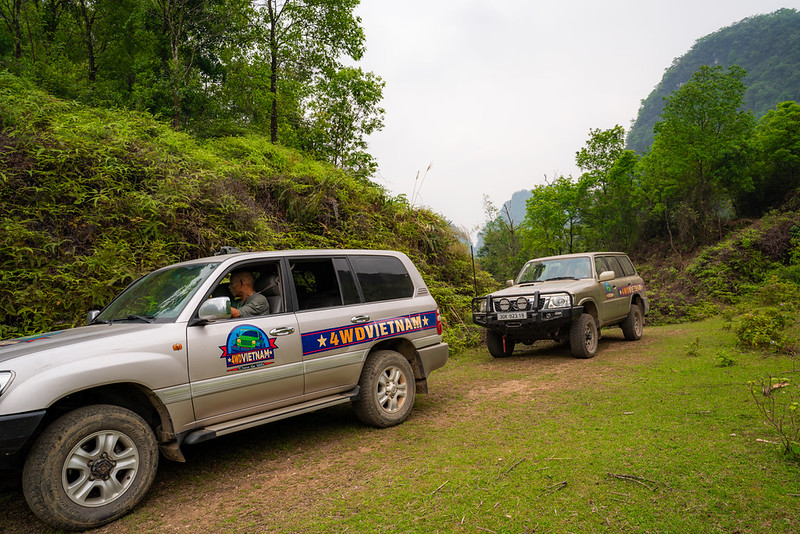
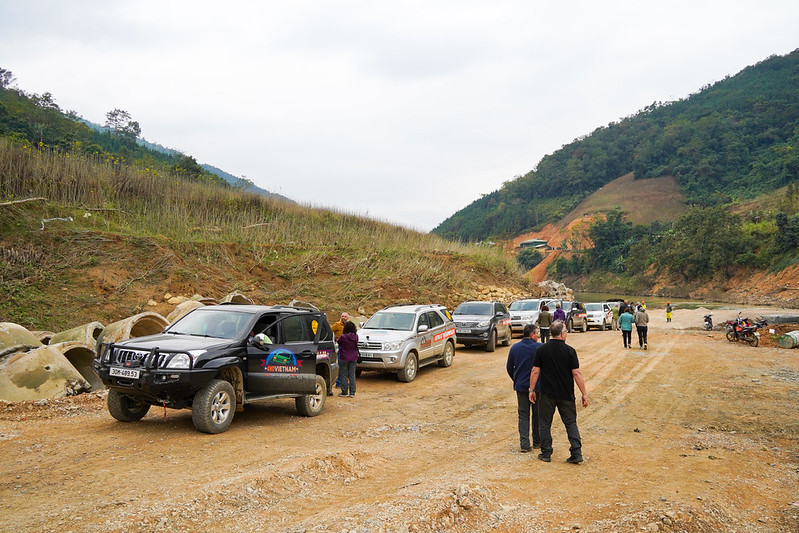
A guided self-drive journey gives you the wheel without leaving you alone to manage the trip. You drive one of the 4×4 vehicles as part of a small organised group, while an experienced local team leads the route. Accommodation, planned stops and the main logistics are arranged in advance, and the group stays connected on the road.
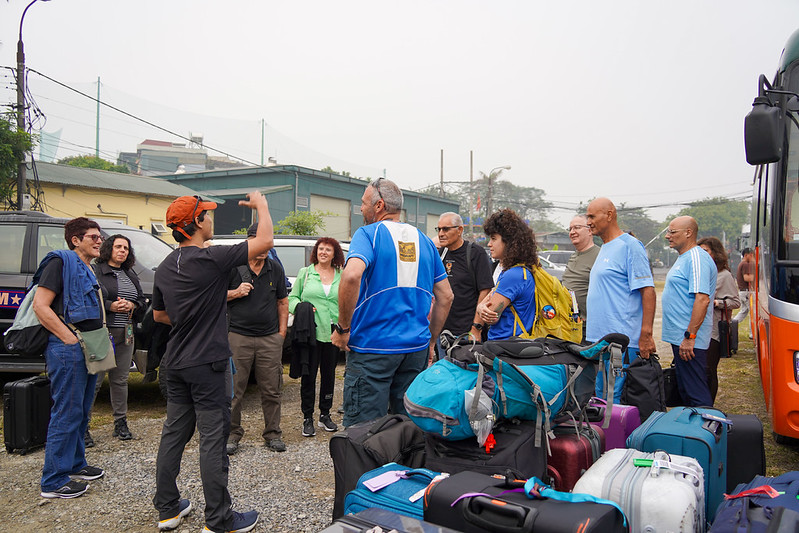
Before departure, there is time to become familiar with the vehicle, review convoy rules and talk through the type of terrain expected during the journey. On the road, the lead team can warn drivers about difficult bends, muddy sections, steep descents or a sudden obstacle ahead. The exact convoy setup and support arrangements depend on the route and group, so these details should always be confirmed before booking.
It is still real driving. The guide can show you the safest line through a rough section, but you are the person controlling the steering, speed and braking. That responsibility is precisely what many guests enjoy. Reaching the end of a difficult track feels very different when you have driven it yourself.
What changes when you drive
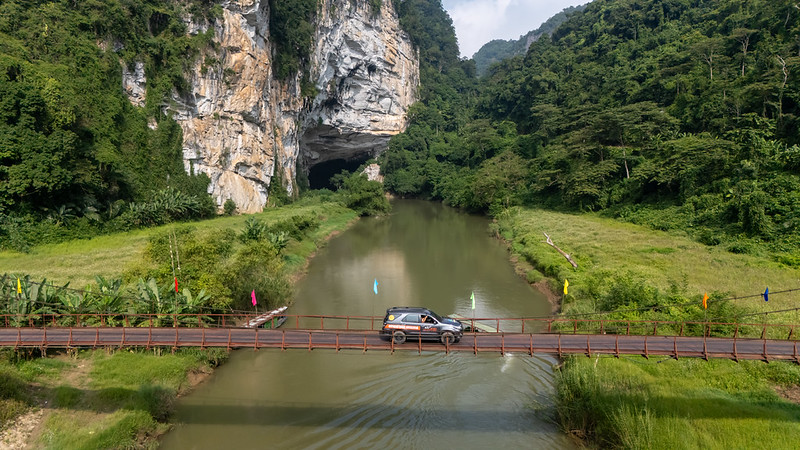
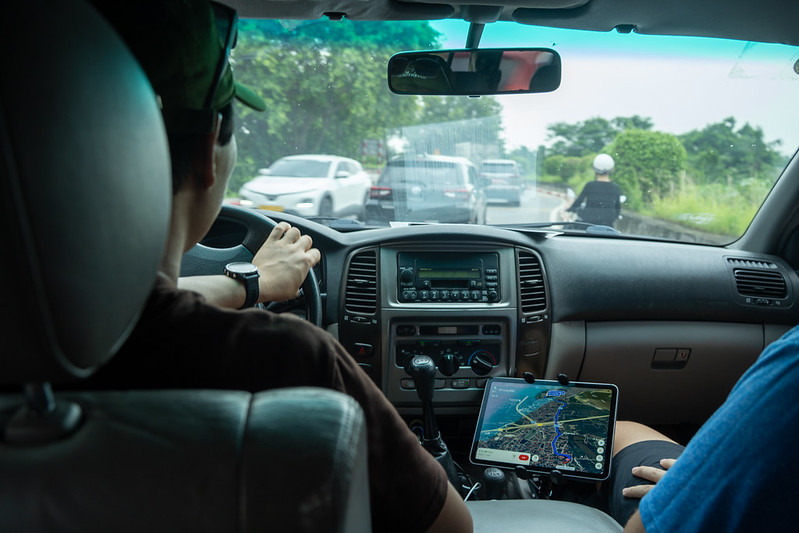
When you sit in the driver’s seat, the road becomes part of the attraction rather than something between two places. You notice the surface changing from asphalt to gravel, feel when the tires begin to lose grip and learn why a short distance on a map can take much longer in the mountains.
That focus can be exciting, but it also takes energy. Northern roads may be steep, narrow and shared with motorbikes, trucks, livestock and people walking between villages. After rain, mud and loose ground can change the difficulty of a section very quickly. Even on an easy day, hours of concentration can leave you more tired than expected.
You will also see the scenery differently. A passenger can watch the valley open below, take photographs through the window or look for the next coffee stop. A driver must keep watching the road. You still experience the landscape, but the memory is often physical: the bend you handled well, the climb that needed patience or the moment the wheels found grip again.
Who usually enjoys guided self drive
Guided self-drive is a good fit when driving is one of the reasons you want to travel. You should already feel calm and capable behind the wheel, especially on steep roads and changing surfaces. You do not need to be a competition driver, but this is not the ideal place to discover whether you enjoy mountain driving.
It also suits friends, 4×4 clubs and small private groups who enjoy working as a team. Convoy travel requires patience: vehicles need to keep a safe distance, regroup and follow the leader’s instructions rather than race ahead. The best self-drive guests are not necessarily the fastest drivers. They are the ones who stay attentive and make sensible decisions.
Every person who plans to drive must hold the documents required under Vietnamese law and meet the conditions of the vehicle’s insurance. International driving documents are not recognised in the same way for every nationality or issuing country, so eligibility must be checked individually before the booking is confirmed. If the paperwork is not valid, confidence and experience do not make the driving legal.
What a tour with a local driver feels like
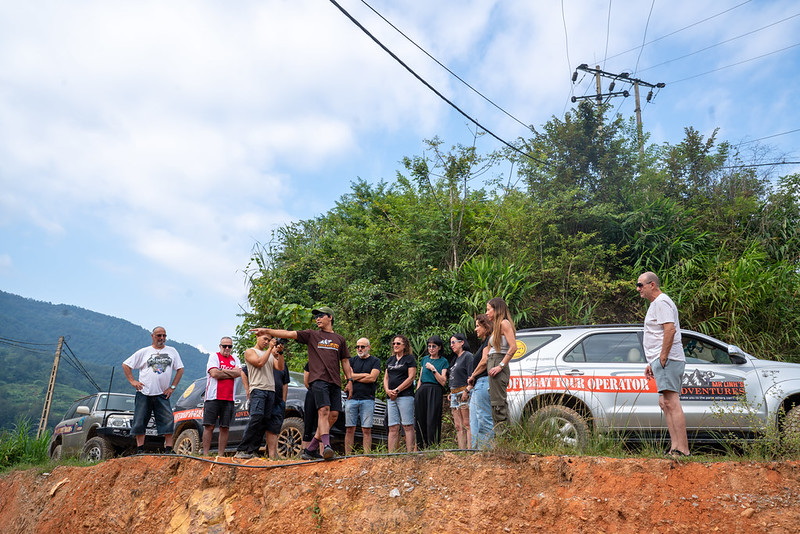
On a tour with a driver, the responsibility for the vehicle stays with someone who already understands the local roads. You travel with a professional driver and guide, following a planned itinerary that can still be adjusted when the weather changes, the group needs a rest or an unexpected stop looks too interesting to pass.
This is not the passive version of the adventure. You still travel on mountain roads, enter remote areas and experience the same changing landscapes. The difference is that you can give your full attention to what is happening outside the windscreen.
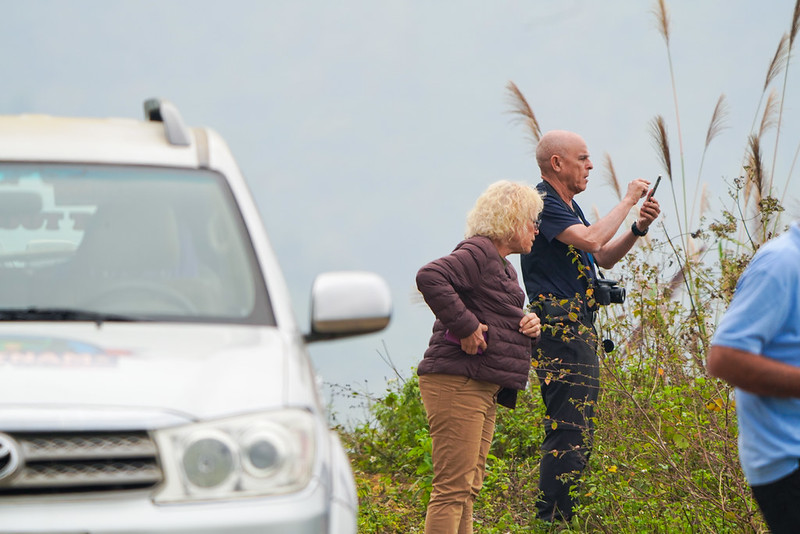
You can ask the guide about the village you have just passed, watch farmers working in the valley or simply rest between stops. When the road becomes difficult, you can observe how the driver reads the surface and chooses a line without carrying the pressure of making the decision yourself.
The advantages become clearer on a long day
A driver-led journey often feels most valuable after several days on the road. The first mountain pass may make everyone want to drive. By the fourth early departure, after long distances and a few wet sections, being able to sit back can feel like a luxury.
Local drivers also understand habits that are difficult to learn from a map. They know where trucks tend to cut a corner, which surface becomes slippery after rain and when a road that looks passable may be a bad idea. They cannot control every situation, but their familiarity with the environment reduces the number of surprises.
For families, first-time visitors, photographers and groups with different driving abilities, this is usually the more comfortable option. Nobody feels excluded because they do not want to drive, and the journey is not shaped around the most confident person in the group.
Who usually prefers a tour with a driver
Choose this style if some people in your group do not drive, if you are travelling with children or older relatives, or if you want your holiday to feel adventurous without requiring constant concentration. It is also the best choice when nobody has the correct driving documents or when your experience is mainly on wide, predictable roads.
Travelling with a driver can also be better for content creators and photographers. Mountain light changes quickly, and it is much easier to notice a scene, discuss a stop with the guide and prepare your camera when you are not responsible for the vehicle.
What both experiences have in common
Whichever option you choose, a well-prepared 4×4 journey is about more than the vehicle. The team still needs to understand the route, monitor the weather and know where fuel, food and suitable accommodation are available. In remote areas, a beautiful road can become a poor choice if there is nowhere safe to stop before dark.
Both styles should leave room for flexibility. Heavy rain may make a track unsafe, roadworks may block access or a local authority may restrict entry to an area. Changing the plan is not a failure. It is part of travelling responsibly through places where conditions can change faster than an itinerary document.
The cultural side of the journey remains important too. A 4×4 may take you beyond the main highway, but the vehicle is only a way to reach the people and landscapes along the route. Village visits, meals, markets and conversations often become the moments guests remember after the mud has been washed from the tires.
Can one group combine both styles
Sometimes a group includes one enthusiastic driver and several people who would rather remain passengers. Depending on the route, vehicle setup and current operating conditions, it may be possible to arrange different roles within the group or to choose driving sections carefully. This must be discussed in advance rather than decided casually on the roadside.
If you are unsure, tell us who is travelling, who wants to drive and what experience each person already has. We can then recommend the most realistic format and confirm what is available for the chosen itinerary.
What about vehicle only rental
Independent vehicle rental offers the most freedom, but it also creates the largest gap in support. You are responsible for the route, navigation, accommodation and decisions when weather or road conditions change. Remote support by phone is not the same as having a local team directly ahead of you.
This option is best considered by experienced 4×4 drivers who are comfortable with independent travel and already understand the region. Availability, deposits, insurance conditions, required documentation and areas where the vehicle may be used must all be confirmed before departure. If you mainly want the pleasure of driving without carrying every logistical problem, guided self-drive is usually the better balance.
A simple way to choose
Choose guided self drive if…
Driving is a central part of the adventure for you, you are confident on mountain roads, your documents are valid and you like the idea of travelling in a coordinated convoy with local support.
Choose a tour with a driver if…
You want to focus on the scenery, conversations and stops; your group includes non-drivers; or you prefer to leave unfamiliar roads to someone who knows them well.
Ask for advice if…
Your group has mixed experience, you are not sure whether your licence is accepted, or you want to combine easier roads with more demanding off-road sections. These details are much easier to solve before the route is confirmed.
Frequently asked questions
Do I need off-road experience for guided self-drive?
You should be a confident driver and comfortable with steep, narrow and changing roads. The required experience depends on the route, and difficult sections are explained by the team before you enter them.
Is the itinerary different when I drive myself?
The main route and visits may be similar, but a convoy sometimes moves at a different pace so vehicles can maintain safe distances and regroup.
Can the route change during the trip?
Yes. Weather, road conditions, local access and the group’s energy may all require an adjustment. Safety takes priority over completing every planned track.
What driving documents will I need?
Requirements depend on your nationality, licence, international driving documents and the insurance conditions. Your eligibility should be checked with the operator before the booking is confirmed.
What happens if there is a mechanical problem?
On a guided journey, the local team coordinates the response and adjusts the programme if needed. The exact assistance and replacement arrangements should be confirmed for your specific tour before departure.
The best choice is the one you will still enjoy on day five
The exciting choice is not always the right one. It is easy to imagine yourself driving a 4×4 through the mountains while watching a short video. It is harder to picture the concentration required after several early mornings, hours of bends and a sudden afternoon rainstorm.
Think about the whole journey rather than one perfect stretch of road. If driving gives you energy, a guided self-drive can become one of the most rewarding ways to experience Vietnam. If you would rather arrive with enough attention left for the village, the meal and the people waiting there, travelling with a local driver may give you a richer trip.
Tell the 4WD Vietnam team about your group, your driving experience and the kind of roads you hope to explore. We will help you choose a travel style that feels exciting, realistic and comfortable from the first kilometre to the last.
Find your Vietnam 4×4 travel style with 4WD Vietnam.